How to Decide If a Note-Taking App’s Premium Version Is Worth It

That upgrade prompt appears eventually in every note-taking app. Notion, Evernote, Obsidian, Bear – doesn’t matter which one. At some point, a polished banner suggests that premium features will transform productivity, unlock potential, revolutionize workflow.

But here’s the uncomfortable question: will any of it actually change how you work? Or is it just paying for features that sound impressive in a product demo but sit unused for months?

What Premium Actually Means

Most note-taking apps run on freemium models: basic functionality comes free; advanced tools cost money. The premium package typically bundles unlimited cloud storage, offline access across devices, better search, collaboration features, version history, and faster customer support.

On paper, all of this sounds useful. In practice, not everyone needs all of it. Someone jotting grocery lists and occasional meeting notes has fundamentally different requirements than a researcher managing hundreds of academic sources.

The honest assessment starts with a simple question: which of these features would get used daily, and which just sound appealing?

The Psychology Behind the Upgrade Button

Software companies understand decision-making patterns. They know that feature lists create desire even when practical need doesn’t exist. Premium tiers get positioned as the “serious” choice, making free users feel like they’re missing out.

This dynamic shows up across digital platforms. Online entertainment works similarly – flashy promotions everywhere, but actual value depends entirely on the fine print. Resources like Casino Bonus Ohne Einzahlung exist precisely because experienced users want to understand terms and conditions before committing anything. The surface presentation rarely tells the whole story.

Same logic applies to software subscriptions. That premium tier might look compelling at first glance, but real worth depends on whether features match actual usage patterns. Impulse upgrades driven by polished marketing tend to become forgotten recurring charges three months later.

Questions Worth Asking First

Before entering payment details, some honest self-assessment helps:

  • How often does the free version actually feel limiting?
  • Would premium features save measurable time each week, or just minutes here and there?
  • Monthly billing or annual commitment – and what’s the real cost difference?
  • Could free alternatives or simple workarounds accomplish the same thing?
  • What happens to existing notes if the subscription gets cancelled?
  • Is there a trial period for testing premium features properly?

Struggling to answer these confidently usually signals that more time with the free version makes sense before deciding anything.

Doing the Math

One practical approach: estimate how much time premium features would actually save each month. Assign a rough hourly value to that time. If a subscription costs ten euros monthly but eliminates three hours of manual workarounds, the math works out. If the savings amount to a few minutes scattered across weeks, the expense gets harder to justify.

Research published by the Harvard Business Review suggests that professionals increasingly recognize the value of trading money for time when the exchange genuinely improves quality of life. But the key word is “genuinely” – paying for theoretical productivity gains that never materialize just creates another forgotten subscription.

Annual Plans and Long-Term Bets

Yearly billing typically saves money compared to monthly – sometimes up to forty percent. The catch: committing for twelve months requires confidence that both the app and the need for it will remain stable.

Worth checking recent user reviews before signing up for anything long-term. Sudden price increases, removed features, declining support quality – these red flags appear in review sections before they appear in anyone’s personal experience. A discounted annual plan means nothing if the product deteriorates halfway through the subscription period.

When Free Genuinely Works

Studies on software usage, including analysis summarized by TechCrunch, consistently find that most people use only a fraction of available app functionality. Power users and casual note-takers have fundamentally different requirements.

Someone who rarely hits storage limits, doesn’t collaborate with teams in real time, and finds basic search good enough probably doesn’t need premium anything. The free tier handles the actual workflow just fine. Upgrading in this situation just means paying for peace of mind that nothing is being missed – which isn’t worthless, but isn’t the same as paying for genuine utility either.

When Premium Actually Delivers

That said, some users genuinely benefit from paid features. Professional client management, academic research involving massive source libraries, creative projects requiring multimedia organization – these workflows often justify the investment.

Cross-device sync becomes essential for anyone constantly switching between phone, tablet, and laptop throughout the day. Security-conscious users may need end-to-end encryption available only in paid tiers. When an app sits at the center of daily work, premium features can eliminate small frictions that accumulate into real annoyance over time.

Making the Call

Deciding whether premium is worth it comes down to self-awareness more than anything else. Understanding personal workflow, identifying genuine friction points in the free version, and calculating whether the upgrade delivers measurable improvement – that’s the process.

Taking advantage of free trials whenever available makes sense. So does reassessing subscriptions annually, since both needs and apps evolve over time. The best premium subscription is one that quietly makes daily work easier without requiring any thought about whether it’s worth keeping. If that mental calculation keeps happening, something’s off.


You Keep Creating Empty Folders in Your Notes App. Here’s Why.

Most people who use a digital notebook spend more time organizing it than actually writing in it. That is not an exaggeration. Open almost anyone’s Notion or Obsidian and you will find a beautifully structured system, a dozen empty templates, a few folders nested inside other folders, and maybe thirty actual notes scattered across the last two years. It is worth understanding why it keeps happening before you download yet another app and start building yet another system from scratch.

The Setup Trap

Digital notebooks are very good at one specific thing: making you feel productive while you are not actually doing the work yet.

Setting up a workspace feels like progress. You choose a template, create categories, and set up tags. Maybe you pick a color scheme if the app allows it. It all feels productive and satisfying. But it’s still not the thing you actually came here to do.

The problem gets worse with apps that give you too much control. When you can customize everything, you end up spending time on decisions that do not matter. Whether your notes should be organized by topic or by date or by project is genuinely not important. What matters is that you write the note. The organization question can be answered later, or not at all.

The most-used digital notebooks tend to be the simplest ones. Not because simple is always better, but because a simple tool has fewer reasons to distract you before you get to the actual writing.

What Digital Notebooks Are Actually Good At

Before picking any tool, it helps to be honest about what you are actually going to put in it.

Digital notebooks are genuinely great for a few specific things. Anything you might want to search for later. Notes from meetings, research you collected for a project, ideas you want to revisit in a few months. The search function alone makes digital better than paper for this kind of material.

They are also good when you are writing something that will become something else. A draft that will turn into an email. Notes that will become a report. When the text needs to leave the notebook and go somewhere, digital is obviously the right choice.

Where digital notebooks tend to fail is in the quick, messy, thinking-out-loud kind of writing. The kind where you are not capturing information but working through a problem. Most apps are not built for that. The interface suggests that what you write should be a note, with a title and a place in the hierarchy, and that pressure changes how you write. You start editing before you have finished thinking.

The Difference Between Apps

People compare digital notebook apps mostly by features: does it have backlinks, can you embed images, does it sync across devices, does it have an offline mode. These things matter but they are not where the real differences are.

The actual difference between apps is how much they ask of you before you can write something down.

Some apps open to a blank page immediately. Others open to a dashboard, ask you which notebook to save to, want you to add tags before you close the window. Each of those steps is small on its own. Together they add enough friction that sometimes you just do not bother. You type the thing into your phone’s notes app instead and it disappears into a list of 400 other things.

If you find yourself regularly not using your digital notebook, friction is almost certainly the reason. Not lack of discipline, not the wrong system. Just too many steps between you and a blank page.

Plain Text vs Rich Apps

This comes up constantly and the answer is less interesting than people want it to be: it depends on what you write.

Plain text files, markdown editors, simple apps with no formatting options. These are genuinely excellent if you write mostly words. They open fast, they never break, they will be readable on any device in any year. There is no toolbar to distract you and no formatting decision to make. You just write.

Rich apps with databases and tables and embedded media and linked pages make sense when your notes are more like a workspace than a document. When you are managing a project and the notes connect to tasks connect to reference material. That structure is useful if the project actually needs it. For a lot of everyday writing it is overkill and it slows you down.

The mistake is choosing a rich app because it looks impressive and then trying to use it for simple note-taking. The mismatch creates friction. You end up with an elaborate system that you avoid because it asks too much every time you just want to write something down.

An Easy Way to Build a System

If your digital notebook isn’t getting used, don’t switch apps yet.

Start by stripping everything down to just one space: inbox or daily notes.

Then follow these steps:

  1. Keep only one place for everything. No folders, no tags, no sorting
  2. Use it for two weeks straight. Write everything there.
  3. Don’t organize while capturing, just collect.
  4. After two weeks, review what you actually wrote.
  5. Build your structure based on real usage, not assumptions.

Most people discover they need about a quarter of the system they built. The rest was just the setup feeling productive.

Crypto Casino Fun: Roll the Dice, Spin the Reels, and Multiply Your Crypto!

Calling all you crypto gurus, blockchain buffs, and digital doughnuts! If you think the wild world of cryptocurrency ends at trading on exchanges, strap yourself in because you’re about to get schooled. The siren song of the crypto casino is playing your jam, and trust us, it’s a tune you want to dance to. Why just stack your crypto when you can spin, roll, and gamble your way to a whole new level of fun?

Luck Meets Ledger: The Marriage of Crypto and Casinos

What’s the big deal, you ask? Why does the merging of crypto and casinos feel like you just discovered a secret menu at your favorite burger joint? Well, pull up a chair, pal. It’s story time.

“Gambling with crypto adds an extra layer of excitement,” says Rex Maddox, a well-known cryptocurrency strategist. “The cryptocurrency itself is a gamble due to its volatility, so it’s like you’re playing two games at once.”

It’s a heart-racing, adrenaline-pumping, double-dipped adventure, where the stakes can shift faster than you can say ‘Bitcoin bull run’. You’re not just wagering on the outcome of a game, you’re wagering with an asset that itself is a thrilling rollercoaster ride.

Playing Safe in the Wild West of Crypto Casinos

Look, we’re not gonna sugarcoat it. Diving into the world of crypto casinos is like exploring the wild west. It’s lawless, it’s exciting, and there’s always a chance of stumbling upon a gold mine. But, like any cowboy worth their salt will tell you, you gotta know how to handle your horse—or in this case, your digital wallet.

“The first rule of Crypto Club? Protect your keys,” warns Kaylee Frost, a cybersecurity consultant. So, folks, keep your keys as guarded as a saloon keeper’s secret moonshine recipe. We’re talking 2-factor authentication, hardware wallets, and all the glorious encryption you can wrap your head around.

VAT-free Transactions: The Cherry on the Crypto Cake

Now, here’s a tasty nugget that’s got gamers worldwide grinning like Cheshire cats. No VAT on deposits and withdrawals. Yep, you heard that right. You see, cryptocurrencies often fall in a gray zone when it comes to tax legislation, allowing you to evade the VAT beast when making transactions in a crypto casino.

“It’s like having your cake and eating it too. For now, at least,” says financial advisor Marcus Boone. But beware, this cake might not last forever. “Regulators are catching up with the crypto world, so it’s important to stay informed about changing laws.”

Crypto Casino Gameplay: It’s More Fun Than You Can Shake a Stick At

Alright, enough chit-chat. Let’s dig into the juicy stuff: the gameplay. Crypto casinos offer all the glitz and glamour of traditional online casinos, but with the added twist of using volatile cryptocurrencies.

There are loads of games to choose from—slots, poker, roulette, blackjack, you name it. Plus, you’re playing against folks from all around the globe. It’s like the Olympics of online gambling, only with more cheering and less running.

One thing’s for sure: you’re not just playing against the house. You’re playing against the ever-shifting sands of the crypto market. “Winning when the value of your cryptocurrency is low, and then watching it skyrocket the next day, is a thrill like no other,” says Maddox. Double the fun, double the gains!

Crypto Casinos: The Future of Fun and Fortune

From Bitcoin billionaires to Ether enthusiasts, crypto casinos offer a world of fun for everyone. They combine the risk and reward of cryptocurrency trading with the thrill of gambling, creating a unique space that’s as volatile as it is exhilarating.

So grab your digital wallets and get ready to experience the thrill of a lifetime. But remember, this isn’t a sprint, it’s a marathon. Play responsibly, protect your assets, and remember—the house doesn’t always have to win.

As we ride the wave of this digital revolution, let’s make the most of it. After all, in the world of crypto casinos, every spin, roll, and bet is a chance to hit the digital jackpot. So get out there and start making your own luck in the crypto casino world!

1$ Dollar Casino Games

Do you love playing casino games but don’t want to spend a lot of money? Well, there’s good news! You can now play your favorite casino games for just one dollar. That’s right, you can now enjoy all the fun and excitement of playing slots, blackjack, roulette, and more without breaking the bank. So what are you waiting for? Head to your nearest dollar store and start playing today!

You can play casino games for as little as one dollar

For those looking for a night of entertainment at an affordable price, eastbaytimes suggests playing casino games starting with just one dollar. Low stakes gaming is a great way to experience the excitement of casinos without having to break the bank. You’ll be able to enjoy every minute of playing games like blackjack, slots, or even craps all for as little as one dollar. It’s worth exploring the options available at eastbaytimes and finding the perfect fit for your budget and level of risk!

There are many different games to choose from

With the ever-expanding world of gaming, there is something for everyone; from role-playing games and sports titles to puzzle games and educational simulators. It can be overwhelming for even the most experienced veteran gamer to find their perfect match. Exploring genres, game engines and mechanics can help narrow things down. Paying attention to reviews and popular franchises can give further insight on what to expect. Even with all these factors, it still comes down to personal preference and trying things out, as not all games are created equally. The breadth of options allows gamers of any kind take a chance at finding something they love without being beholden to any restrictions or expectations.

You can win real money prizes

Who said nothing in life is free? With the help of modern technology and services, winning real money prizes is now more attainable than ever! Prize giveaways, lotteries, gambling websites, and other avenues allow you to turn your luck around and potentially win big. Whether you prefer taking risks with online slot machines or trying your hands at game shows, it can be exciting to find out if your effort will be rewarded with a check in the mail. It’s important to remember that only adults of a certain age should engage in activities involving real money prizes, as some tend to involve serious financial risk.

You don’t have to travel to a casino to play

With the rise of technology and the internet, you no longer have to travel to a casino to play. You can experience all of the excitement and fun of playing games like slots, blackjack, and poker from the comfort of your own home. Online casinos offer a range of gaming options with more betting options than land-based casinos. They also provide bonuses and loyalty programs, allowing players to save money while enjoying their favorite games. In addition, online casinos are often available at all times, giving you the opportunity to play whenever it suits you best – morning, noon or night. With so much convenience available to players today, why bother trekking all the way to a physical establishment when you can take part in some thrilling gaming with just one click of a button?

You can play from the comfort of your own home

If you’re looking for an exciting and convenient way to play all your favorite games, look no further than playing them from the comfort of your own home. From board games to video games and more, you can have a full gaming experience in the comfort of your own home. Whether it’s card games with friends or first-person shooters with online opponents, you can find any type of game at the tip of your fingers. Not only does this make gaming even more accessible, but it helps keep the environment safe by limiting exposure outside the home. In addition, playing games from home requires much less investment in equipment than having to go out to a gaming arcade. All in all, playing from your own home is a great way to relax, perfect for anyone looking to get that much needed break from their day-to-day life.

You can find these games online or at your local store

Looking for a new way to enjoy yourself and have fun? There are unlimited options available for you at your local store or online. From classic board games like Monopoly to strategic card games like Dominion and Settlers of Catan, whatever kind of challenge you’re looking for, there is something that will fit the bill! With such an abundance of options and variety, you won’t have any trouble finding something that entertains you or your whole family. You don’t even have to break your budget; there are games out there to suit every pocketbook. Get ready to sharpen up those mental skills because a night of game playing can quite possibly be the best bet next time you aim for some good-natured fun!

Casino games are a great way to spend your free time and you can win real money prizes. With so many different games to choose from, there’s something for everyone. You don’t have to travel to a casino to play these games, you can find them online or at your local store. So what are you waiting for? Start playing today!

Game Development; Here Is a Step-by-Step Guide to Getting Started

Are you ready to start making games? If yes, you are in the right place. This is an overview of what it takes to create a basic game, then move into gameplay and design strategies. If you have no idea where to start, read below for some brilliant advice on pre-planning your first game!

Understanding the Audience

You need to understand your audience before you can design your game. 

  • What do they want? 
  • What do they already know about games? 
  • Do they like playing or reading? 
  • How old are they? 
  • What do they like to play, and why?

 These questions will help you make a better game.

Just like movies, music, and books, games are about telling a story. Games tell stories in a different way than other media, however. The best games use the rules of their medium to create a unique experience unlike any other.

Games have one goal: to get you to do what you want with them. That’s it! If your game has no goal, it’s another thing on your shelf. But if there is a goal, your game can be more than just idle curiosity; it can become an experience that people will remember for years.

The goal of any game must be clear and straightforward enough that anyone can see it within minutes of playing it. The game should also be compelling enough to motivate players to continue playing after they’ve accomplished it once (or even several times). 

This means that games should give players immediate feedback on how well they’re doing to feel good about themselves when they win or lose (and especially when they win).

In short: understand what your audience is looking for before you create your game.

Game Features:

1. Two players play the game, and it has a unique feature called “pass and play.” The player who is out first can play the next game by calling pass, in which they can choose to pass or play. If they choose to pass, then their partner will be able to play. Their partner will be out of the game if they choose to play.

2. When a player makes a mistake during a round, they should give up their turn and let the other player take over their turn. It ensures that each player will have a chance to play each time.

3. There are no cards in this game; instead, there are pieces of paper with rules written on them that tell players how to play the game. Each piece of paper has different rules for different types of games. Players, therefore, do not have to memorize rules from one piece of paper and apply them across multiple games they may want to play with their friends or family members over time as they become more skilled at strategic thinking!

Break Down The Major Features Into Small Tasks

The first step is to break down the significant features into small tasks.

For example, if you want to make a game that has 100 levels and takes place in a forest, you should think of the following features:

Levels — how many levels are there? What is their number? What size are they? Where are they? How do you get from one level to another?

Gameplay — how does the player move through each level? Is there a goal? What happens if the player gets stuck on a level?

Graphics — What graphics do you want for each level? How many of each kind should there be?

Sound effects — how much sound do you need for each type of sound effect (ambient music, character voices, background noises)? Do you want special effects beyond those provided by your audio software (for example, changing the pitch when something moves)?

Select A Game Engine That Suits Your Needs

Now that you have a list of game engines, it’s time to narrow down your choices. The first thing to do is determine which game engine best suits your needs.

The first step in this process is to choose a game engine that suits the type of game you want to make. For example, if you’re making a casual game for mobile devices, then Unity might be the best option for you. But if you’re creating a console-quality title, Foundation will probably be more appropriate.

Next, determine whether or not you want an engine with a free version or not. If your budget is tight and you have no idea how much time it will take to develop your game, getting an engine with a free version might help get things started faster. However, most engines have paid versions that allow users access to additional features and higher-quality assets (e.g., better meshes).

Create Initial Prototypes Of The Game

There are a few ways to go about this.

The first thing to do is to create initial prototypes of the game. You’ll want to start with a short game version but don’t want to skip steps because you can continuously refine them later.

Once you have your prototype, you can use it for testing purposes. Try out different characters, items, and environments to see what works best. This will help you determine how each aspect of your game fits together and its strengths and weaknesses.

Build UI Structures

Start by building the basic UI structures for your app, and ensure everything is working correctly.

Next, you need to create a simple layout for your app. The layout will contain all of the elements of your app (such as buttons, text fields, and images) that will appear on the screen.

When you’re done with this step, you’ll have a basic layout split into grids and containers so that you can easily add more elements later.

Once you’ve done this, it’s time to start working on the user interface.

Place Functionalities On Each Button

You need to place the functionalities on each button. Here are some examples:

  • Button 1: Placing a new file or folder.
  • Button 2: Adding a new folder to your computer.
  • Button 3: Adding a new file to your computer.
  • Button 4: Starting and stopping the application.

Map Game Logic and Player Flow

You can create a map with any software. Many prefer using Photoshop and Illustrator because they have the tools you need to create assets like arrows, text, and shapes.

Here’s what you’ll need:

  1. An image of your level design
  2. A grid that matches your map
  3. 1 pixel = 1 unit in your grid

You will also need to save your map as a PNG or JPG file. You can also export it as an SVG file if you prefer.

Test For Bugs and Errors

When starting a new project, ensure you test for bugs and errors.

There are several ways to do this:

  • Use the command line or your terminal to run the tests, either individually or all at once.
  • Run them from within your project with the npm test.
  • .Run them from an external command line tool like Gulp or Grunt.

Welcome To The Gaming Arena!

Ultimately, learning to build games is very doable but requires time and effort. You will need to set aside dedicated time to develop your skills and work through some technical challenges, but it’s a gratifying and rewarding pursuit. You’ll learn a lot about the principles of software development, problem-solving, and teamwork in the process. 

10 Best Benefits of Gaming and How It Can Improve Your Life

Gaming is a popular hobby. Many people play games to unwind after work, while others play them as a way to relax on their days off. Even though it may seem like all fun and games, there are many benefits to gaming that you might not know about.

The following 10 benefits of gaming will show you how video games can improve your life.

Improve Hand-eye Coordination

Playing games will improve your hand-eye coordination which will help with everyday tasks like typing on a keyboard or using a mouse when browsing the web or doing other work-related tasks behind a computer screen. This is because most games require players to use their fingers to move around their character in the game world and interact with objects within it (like picking up weapons). As such, gamers need to have good hand-eye coordination so they can perform these actions quickly and efficiently while still maintaining accuracy when performing them

Stimulate certain parts of the brain

Gaming stimulates different parts of the brain such as the cerebellum and hippocampus, which are responsible for movement and memory respectively. This means that gamers have better coordination and concentration than non-gamers.

Gamers also have more gray matter in their brains than non-gamers, which is essential for learning new things and performing complex tasks.

Boost Learning Skills

Video games are often designed to keep players engaged in the game through various challenges and obstacles. To overcome these challenges, the player needs to learn new skills and strategies that can be applied in real-life situations.

For example, if you’re playing a strategy game like Civilization VI or Total War: Warhammer II, you need to plan out your actions carefully before making them happen so that you don’t waste resources or lose units unnecessarily. This teaches you how to plan and manage resources effectively when dealing with real-world problems.

Promote better communication

Video games require a lot of quick thinking and fast reflexes, which makes them a great tool for improving your reflexes. The more you play video games, the better your reflexes become until eventually, they become second nature to you.

This translates into real-life situations where you need to react quickly to get out of harm’s way or perform an action without thinking about it too much because your body has already memorized this action through repeated practice in video games

Teach Multitasking

You may be surprised to learn that playing games can help you improve your ability to multitask. This is because games require you to manage multiple tasks at once, especially if you’re playing multiplayer games.

For example, if you’re playing an FPS game such as Call of Duty or Battlefield, you need to focus on shooting enemies while also keeping track of their locations on the map. In addition, you need to pay attention to where your team members are located so that they don’t get killed by someone else.

Encourages Teamwork

The most important part of gaming is teamwork. Whether you play with friends or strangers, the game will require you to work together to achieve your objectives. This means that if you want to win against other players, you need to communicate with each other and help each other out.

This type of teamwork will allow you to learn how to communicate with others more effectively and build trust among your teammates. This can be very beneficial when it comes time for school or work because it will help you get along better with your peers and coworkers.

Builds Self-Esteem and a Sense of Achievement

Gaming can be a great way to relieve stress and build self-esteem and a sense of achievement. It also helps you to relax and forget about life’s worries for a while.

One of the most common misconceptions about gaming is that it leads to poor working habits and poor academic performance. But research has shown that this is not true. Some studies have even suggested that the opposite may be true: gaming can improve your academic performance!

One study showed that students who played 16 hours or more per week had an average GPA of 3.1 (B+. That’s pretty good!). On the other hand, students who did not play at all had an average GPA of 2.9 (B).

Can Be a Stress Reliever

Gaming is a way to be creative and express yourself. You can also make friends online.

You can play games that make you think and solve problems, which can help improve your problem-solving skills. These skills can come in handy in real life when you’re trying to figure out how to pay the bills or what career path to follow.

Gaming can help you deal with stress and anxiety by giving you an outlet for your emotions. You might not realize it, but there are all kinds of games out there that allow you to explore your feelings without getting hurt or disappointed by people who don’t understand what you’re going through.

Some games even require you to work with other players to solve problems or defeat enemies, which helps build teamwork skills while having fun at the same time!

Improves Creativity

Playing games has been shown to improve a person’s creativity and problem-solving skills. This is because gaming requires a person to think outside of the box and come up with solutions for problems that aren’t always obvious. Bitcoin casino no deposit bonus is a creative way that casinos have taken advantage of this phenomenon by offering bonuses for new players.

For example, to solve puzzles in games like Portal or The Witness, players need to think creatively about how they can manipulate objects in the game world to reach their objective. This type of thinking can be applied outside of the gaming world too, which means that gamers can become more creative in other areas of their lives as well (for example, when they’re trying to solve problems at work).

Conclusion

There are so many benefits to gaming you may not be aware of, or fully appreciate. Gaming can help you bond with family and friends, it can help you learn a new skill, and it can even improve your physical health. The benefits of gaming are numerous, and there are even more if you find the right game for you. If you’re looking for some suggestions, this list should give you plenty of ideas that allow you to leverage your time better.

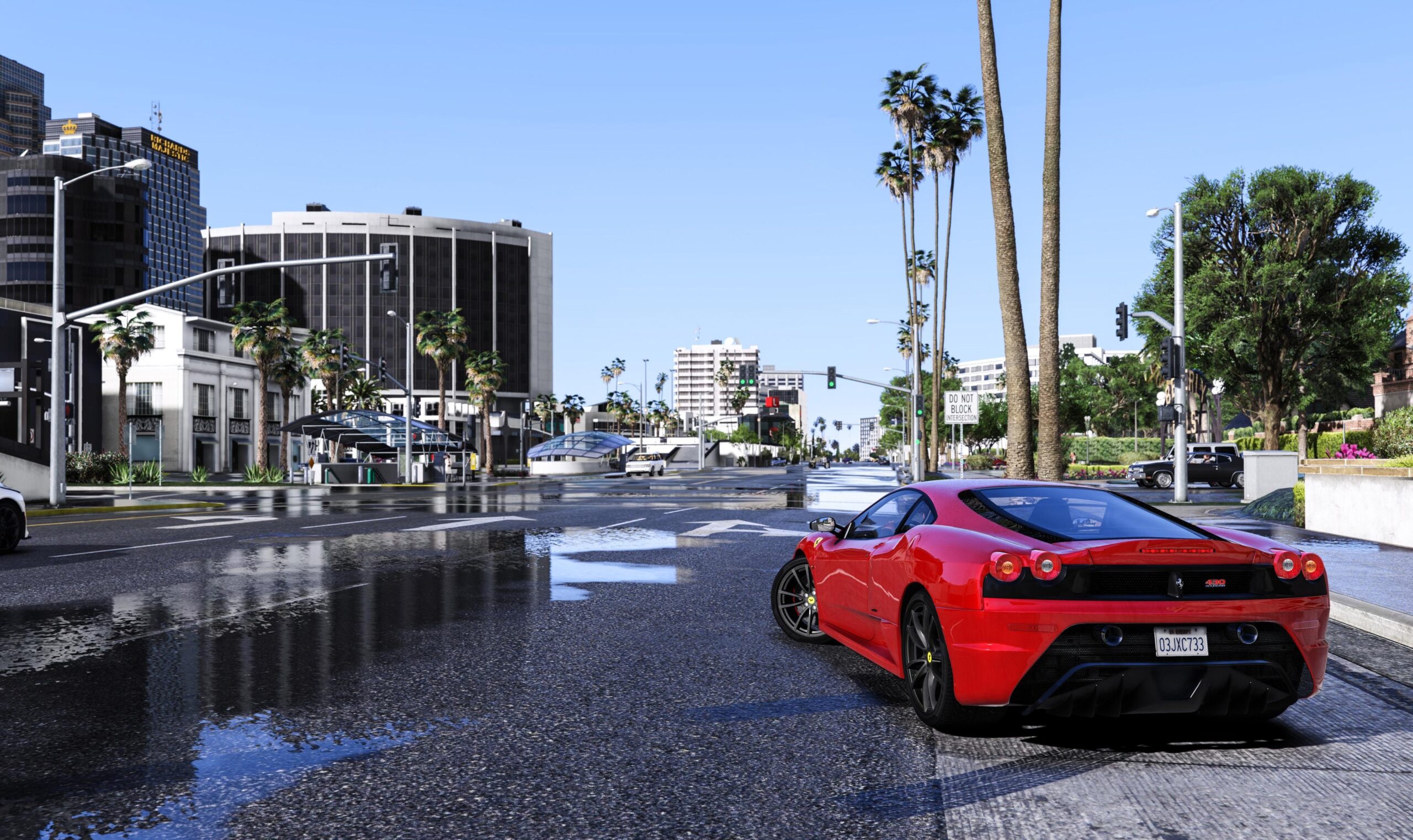
Delaying the release of GTA V: Enhanced Edition will not affect our profits

Take-Two said it still expects to meet its 2022 plan despite the delayed release of Grand Theft Auto V and Grand Theft Auto Online on PS5 and Xbox Series X/S. The games were supposed to be released on Nov. 11, 2021, but have been pushed back to March 2022, according to Games Industry.

The company expects to generate $3.14 billion to $3.24 billion in revenue with earnings of $299 million to $259 million in fiscal year 2022.

Rockstar-developed Grand Theft Auto is the largest franchise of publisher Take-Two, and GTA V is one of the best-selling titles of all time. Despite its rather long ago release in 2013, it has become the defining game of the PS4 and Xbox One era. The title has sold more than 150 million copies worldwide.

Nevertheless, with continued active involvement on existing projects as well as upcoming games like NBA 2K22, Take-Two noted that it may still need to adjust its strategy to meet its targets.

March 2022 promises to be a busy month for the company. Take-Two plans to launch three titles at once – WWE 2K22, Tiny Tina’s Wonderland and Marvel’s Midnight Suns. Now the GTA franchise has been added to this long list of AAA projects.

Creative Assembly opens a third British studio

Creative Assembly (CA) announced the opening of a new British studio in Horsham, West Sussex. Total War developer notes that since last year the number of employees of the company has grown by more than 20% and now it is the largest British game developer – it employs about 800 people.

Creative Assembly said the new expansion is intended to ensure the company’s continued growth. The entire Creative Assembly team is currently working remotely due to quarantine measures against COVID-19, and the company said that in the future it will continue to actively combine face-to-face work in offices with remote work.

The opening of the new studio increases CA’s total workspace to more than 9,000 m2. It includes three UK studios, a specialized motion capture studio and the CA Sofia office in Bulgaria. Along with the opening of the third UK studio, CA has relocated and improved its motion capture facility and renovated the interior space of all UK offices, focusing on a collaborative work environment and supporting more flexible work plans in the future.

Gran Turismo 7 will reach release on march 4, 2022

At the PlayStation Showcase event, the release date for Gran Turismo 7 was revealed – March 4, 2022. The race will arrive on PlayStation 4 and 5.

Kazunori Yamauchi, president of development studio Polyphony Digital, shared details about the game on the PlayStation blog:

An extremely realistic weather and time of day system designed specifically for Gran Turismo is claimed.
The car will be fine-tuned – adjustable engine, brakes, tires and so on.
In GT Cafe mode, you will unlock prize cars of cultural significance to the past, present and future.
In the seventh part, there will be legendary tracks like Trial Mountain and High-Speed Ring, improved for PS5.
Promised an advanced photo mode with HDR support and thousands of locations in 43 countries.
Sport livery mode will return and become even more convenient.
GT Campaign mode will return as well.